




Key Takeaways
Competitive salaries: East Anglia averages £37,499, with specialists earning £45,000–£50,000+
Exceptional growth: 16.1% increase 2023–2024, strongest in the UK
Regional value: Competitive salaries with significantly lower cost of living than London
Talent shortage advantage: Strong candidate market with excellent negotiating positions
Chartered status essential: £38,000 median salary differential makes CEng registration crucial
Clear progression: Graduate (£32k) to principal/director (£90k+) over 15–20 years
Growing sectors: Renewable energy, agri-tech, life sciences, and manufacturing driving demand
Stable outlook: Market fundamentals support continued healthy salary levels into 2026
Your Essential Guide to Engineering Salaries in the Region
East Anglia has established itself as one of the UK's most competitive regions for engineering talent, recording the strongest salary growth of any UK region between 2023 and 2024. Whether you're a graduate starting your career or an experienced engineer, understanding the current salary landscape is essential for making informed decisions.
Key Findings for 2025
Average Engineering Salaries in East Anglia:
Electrical engineers: £36,000 (range: £32,000–£42,000)¹
Specialist technical roles: £35,000–£50,000+²
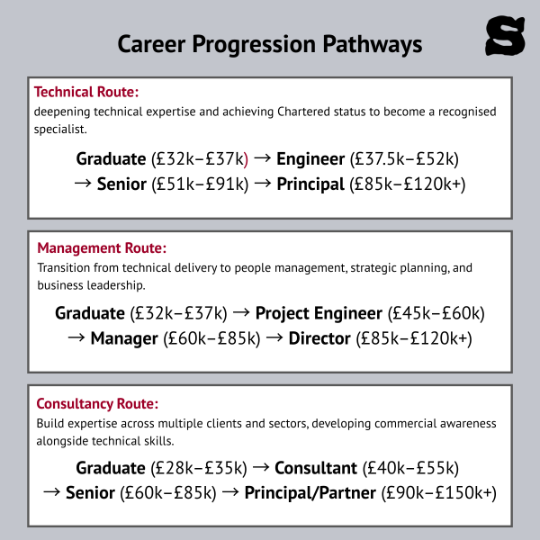
Graduate engineers: £32,000–£37,000³
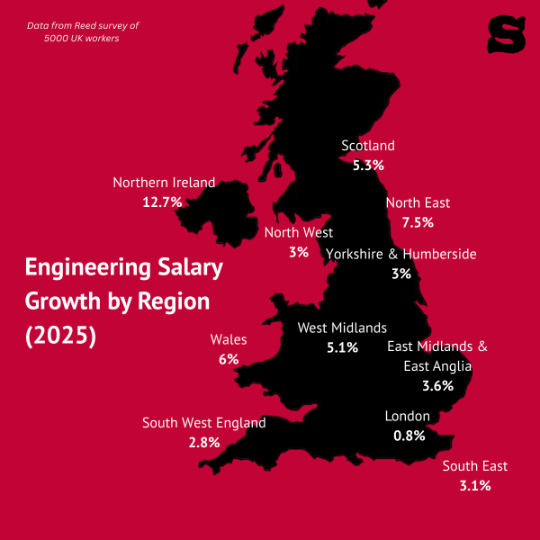
Exceptional Recent Growth: The Midlands and East Anglia region saw average salaries increase from £56,000 in 2023 to £65,000 in 2024 - a remarkable 16.1% year-on-year increase⁴, the strongest performance of any UK region.
Market Conditions: Approximately 75% of manufacturers⁵ report difficulties filling skilled engineering positions, creating a strong candidate market with competitive salaries and excellent negotiating opportunities.²
Salary Breakdown by Experience Level
Graduate & Entry-Level Engineers
Salary Range: £29,000–£37,000
Graduate engineers in East Anglia typically start on salaries between £32,000 and £37,000, depending on discipline and employer.³ The highest-paying graduate roles are found in academia (£45,000) and rail/civil engineering (£42,500), whilst food and consumer goods sectors start lower at around £29,000.³
National data shows the average graduate engineering salary sits at £32,000, with larger corporate employers offering structured schemes at the higher end of the range alongside comprehensive training and clear progression pathways.³
Mid-Career Engineers (4–9 Years' Experience)
Salary Range: £37,500–£52,000
Engineers with established experience see significant salary progression. General engineering roles across East Anglia average £37,499, whilst specialised positions command premium rates. Service engineers, manufacturing engineers, and technical sales engineers typically achieve £35,000–£50,000+.²
National data indicates mid-career electrical engineers with 4–9 years' experience earn an average of £51,600.⁶ This career phase is crucial for working towards Chartered status, which significantly impacts long-term earning potential.
Senior Engineers (10–20 Years' Experience)
Salary Range: £51,000–£91,000
Senior engineers with substantial experience are highly sought after. The 2024 Engineer Magazine Survey reported a UK average of £64,869 for engineers, with the Midlands and East Anglia region averaging £65,000.⁴ Senior electrical engineers nationally earn approximately £91,000, 6 whilst manufacturing sector senior engineers saw salaries rise from £54,000 to £57,000 between 2023 and 2024.⁴
Principal & Director-Level Engineers
Salary Range: £85,000–£120,000+
At career peak, principal engineers and engineering directors command substantial salaries. Chartered engineers earn a median salary of £85,000 compared to £47,000 for non-chartered engineers -an £38,000 differential that demonstrates the significant value of professional registration.⁶
Engineers with over 20 years in specialised fields can achieve salaries exceeding £120,000, with the highest earners commanding up to £170,000.⁵
Salary by Engineering Discipline
Electrical & Electronic Engineering
Average: £37,499¹ | Range: £32,499–£42,499¹
Electrical engineers remain in consistent demand across power generation, electronics, automation, and building services. The region's utilities sector, particularly Anglian Water, creates steady opportunities.
Mechanical Engineering
Average: £38,000–£52,000
Mechanical engineering roles span manufacturing, product design, maintenance, and project engineering. East Anglia's strong manufacturing base ensures steady demand at all experience levels.
Civil & Structural Engineering
Average: £33,000–£42,500
Graduate civil engineers in East Anglia can expect starting salaries around £42,500—notably higher than many disciplines.³ Ongoing infrastructure investment and housing development drive consistent demand.
Manufacturing & Production Engineering
Average: £38,800–£50,000+
Manufacturing engineering has seen strong salary growth, with national averages increasing over 10% year-on-year.² Specialist roles such as service engineers and technical sales engineers command £45,000–£50,000+.²
Salary Growth Trends 2023–2024
Regional Performance⁴
East Anglia demonstrated exceptional salary growth, outperforming all other UK regions:
2023: £56,000 (regional average)
2024: £65,000 (regional average)
Growth: +16.1%
National Context⁴
UK engineering salaries increased from £57,366 in 2023 to £64,869 in 2024—a 13% rise. Approximately 78% of engineers reported salary increases during this period, with growth seen across all sectors.
Manufacturing roles averaged £38,800 in 2024, representing over 10% year-on-year growth.² Senior manufacturing engineers saw salaries rise 6%, from £54,000 to £57,000.⁴
2025 changes
Following exceptional growth in 2023–2024, salaries have stabilised in 2025 with modest growth across the board:
General inflation-matching increases: 3–5%
Specialist high-demand roles: 5–8%
Graduate entry salaries: Relatively stable
The persistent talent shortage continues to support healthy salary levels, particularly for specialised technical positions.
The East Anglia Engineering Market
Talent Shortage Creates Opportunity
Approximately 75% of manufacturers report difficulties filling skilled positions, driven by an ageing workforce, rapid regional growth, and increasing specialisation demands. This creates strong negotiating positions for qualified engineers.
Key Growth Sectors
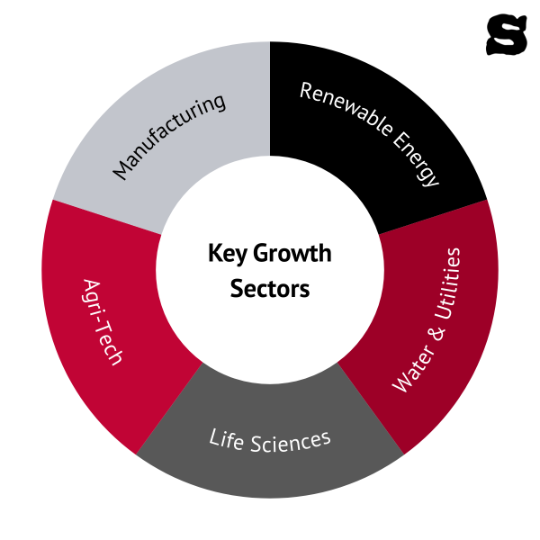
East Anglia's engineering landscape is being shaped by several thriving sectors. Manufacturing remains the region's traditional strength, with modern facilities requiring advanced engineering expertise across the Midlands and Norfolk. The renewable energy sector, particularly offshore wind developments along the East Anglian coast, is driving significant demand for electrical, mechanical, and civil engineers. Cambridge and Norfolk are establishing themselves as national leaders in agri-tech innovation, whilst Cambridge's world-class pharmaceutical and medical device sectors continue to expand. Additionally, major infrastructure projects from Anglian Water and other utilities providers create consistent demand for engineering talent across multiple disciplines.
Factors Influencing Salary
Professional Qualifications
Chartered Engineer (CEng): £38,000 median salary premium
Incorporated Engineer (IEng): Up to £7,000 premium
Specialist certifications: Additional value in project management, safety, technical specialisms
Industry Sector
Highest-paying sectors include oil and gas, rail and civil engineering, chemicals and pharmaceuticals, medical devices, and software engineering.
Company Size
Large corporations typically offer higher base salaries with structured progression and comprehensive benefits. SMEs may offer lower starting salaries but provide faster progression, broader experience, and potential equity participation.
Technical Specialisation
Engineers with expertise in data analysis and AI, automation and robotics, sustainable technologies, digital engineering, or advanced materials command salary premiums across all sectors.
Location
Cambridge typically offers 5–15% higher salaries than other parts of East Anglia, reflecting the technology sector influence and higher cost of living.
Benefits Beyond Base Salary
When evaluating roles, consider the complete compensation package:
Standard Benefits:
Pension schemes: 4–10% employer contribution
Private healthcare for senior roles
Life insurance: typically 3–4× salary
25–28 days annual leave plus bank holidays
Professional Development:
Chartered Engineer support and funding
Training budgets for technical courses
Conference attendance
Mentoring programmes
Modern Working Practices:
Hybrid working: 2–3 days office-based increasingly standard
Flexible hours
Enhanced parental leave
Performance Rewards:
Annual bonuses: 5–15% typical
Profit share schemes
Project completion bonuses
Career Progression Pathways
Engineering offers three distinct career routes, each with clear salary progression and opportunities to reach six-figure earnings within 15–20 years of graduation.
Need Expert Guidance?
As specialist engineering recruiters in East Anglia, we provide comprehensive market intelligence, salary benchmarking, and career advice to help you make informed decisions about your engineering career.
For Candidates: Access to unadvertised opportunities, salary negotiation support, CV preparation, and personalised career guidance.
For Employers: Market salary intelligence, targeted candidate attraction, technical assessment, and comprehensive recruitment solutions.
Contact us today to find out how we can help you.