

Working as a Production Operative: A Complete Career Guide
Have you ever wondered what keeps factories running smoothly and products flowing from assembly lines? Production operatives are the backbone of manufacturing in the UK, working across everything from food processing plants to automotive facilities. If you're drawn to hands-on work in a fast-paced environment where your efforts directly contribute to finished products reaching customers, this career path might be worth exploring.
What Does a Production Operative Do?
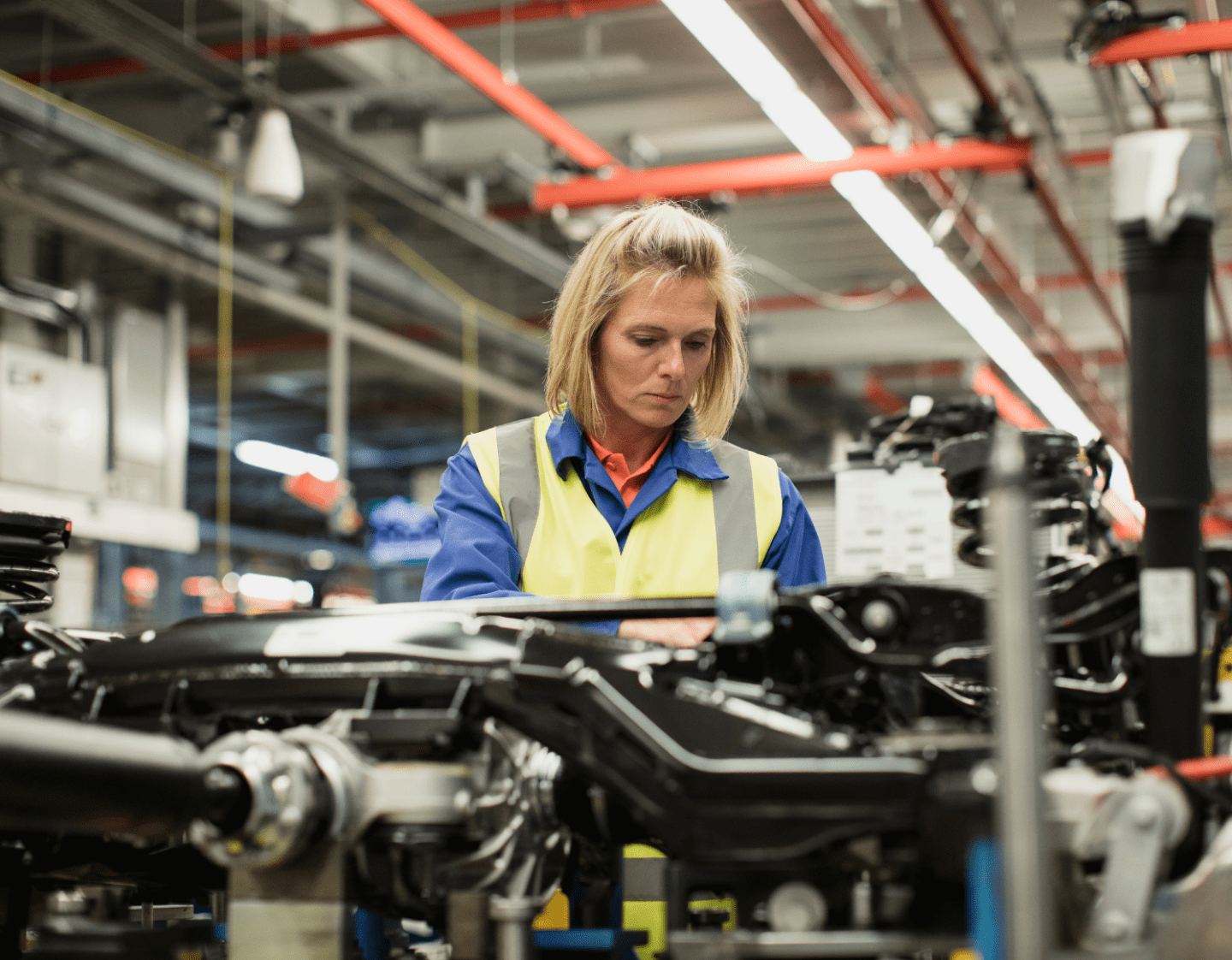
Your day as a production operative centres on keeping production lines moving efficiently. You'll operate machinery, monitor quality standards, and work alongside other team members to meet daily output targets. The role varies depending on your industry, but the core purpose remains the same: turning raw materials into finished products that meet exacting specifications.
In a typical shift, you'll check equipment and materials, feed raw materials into machines, monitor the production process, and spot any issues affecting quality or safety. Many production operatives also handle packaging, labelling, and preparing goods for dispatch.
This work requires physical stamina. You'll spend most of your shift on your feet, moving between different stations, lifting materials, and operating machinery. Your attention stays focused on the task at hand because even small mistakes can affect product quality or workplace safety.
Types of Production Operative Roles
Food Production Operatives work in temperature-controlled environments, following strict hygiene standards as they process, package, and prepare food products. Your day might involve weighing ingredients, operating mixing or cooking equipment, and conducting quality checks.
Machine Operators specialise in running specific types of equipment, from CNC machines that cut or shape metal components to injection moulding equipment producing plastic parts. These roles often require additional training and typically pay higher wages due to the technical knowledge involved.
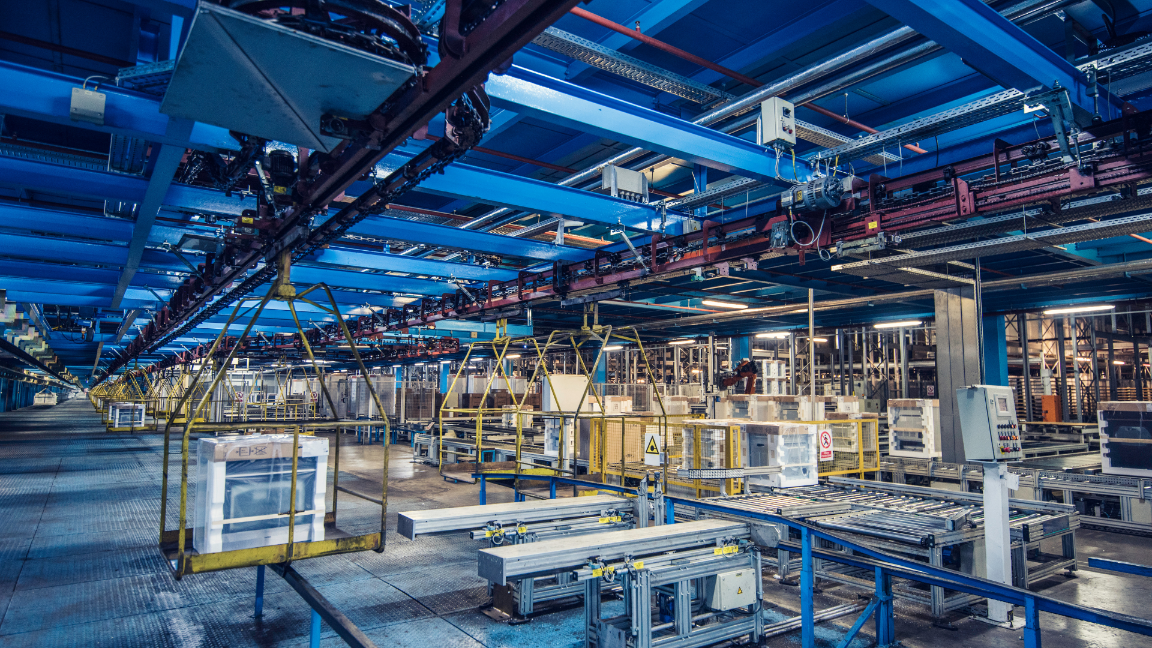
Assembly Line Operatives work as part of a team putting together products from individual components. Whether electronics, vehicles, or consumer goods, you'll become expert at your particular station, working at pace to keep products moving through the line.
Essential Skills for Production Operatives
Manual dexterity and physical fitness are crucial. You'll handle small components, operate precise machinery, and need good hand-eye coordination whilst standing for long periods and lifting materials.
Attention to detail separates good production operatives from great ones. You need to spot when something looks wrong, catch defects before products move to the next stage, and maintain consistent quality throughout your shift.
Problem-solving comes into play when machines jam, materials run low, or quality issues emerge. You'll need to think quickly about solutions and work with your team to keep production flowing.
Reliability is perhaps the most valued trait. Production schedules depend on every team member showing up and performing consistently.
What Makes Production Work Appealing?
Production work offers constant physical engagement and tangible results. You're moving throughout your shift, working with real materials, and seeing finished products take shape. Many people find this rhythm genuinely satisfying.
Modern manufacturing takes safety seriously. You'll receive comprehensive training on machinery operation, proper equipment use, and emergency procedures. Employers must comply with strict health and safety regulations, meaning clear protocols exist for every task.
Shift work suits some people's lifestyles better than standard office hours. Many parents find they can arrange childcare more easily when working shifts that alternate with their partner's schedule.
How much do Production Operatives earn?
Starting salaries typically begin from about £22,000 per year. Machine operators with specialist skills, particularly those running CNC equipment, can earn £24,000 to £32,000. Operatives working in pharmaceutical manufacturing or other highly regulated industries command premium wages due to stringent quality requirements.
Shift patterns significantly affect your take-home pay. Night shifts, weekend work, and overtime typically attract enhanced rates, and some facilities offer production bonuses when teams exceed targets.
With experience, particularly if you've trained on multiple machines or taken on additional responsibilities, you might earn £25,000 to £30,000. Moving into team leader or supervisor positions opens doors to salaries above £30,000.
Career Progression and Job Security
Job security in manufacturing remains relatively strong. While automation continues to change the industry, skilled production operatives who adapt to new technologies and maintain high standards stay in demand.
The skills you develop transfer well if you choose to move between industries. Operating machinery, maintaining quality standards, and working as part of a production team are valued across manufacturing.
Clear career progression exists for those who want it. Many production managers and supervisors started as operatives, learning the business from the ground up. Some operatives move into quality control, maintenance, or training roles.
Industry Outlook
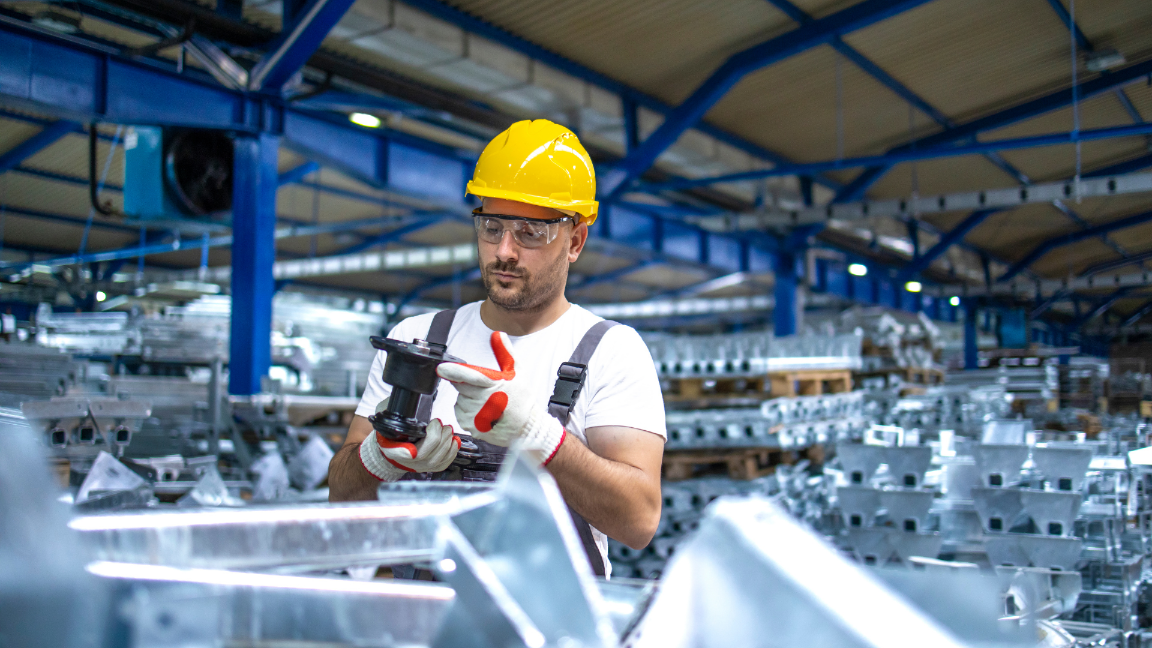
Manufacturing in the UK continues to adapt to technological changes. Modern production operatives work alongside automated systems, monitoring processes, handling exceptions, and maintaining quality standards.
Certain sectors show strong growth: food production remains consistently busy, pharmaceutical manufacturing has expanded, and advanced manufacturing in areas like aerospace and automotive continues recruiting skilled operatives.
The shift towards UK-based manufacturing of some products has created opportunities. Companies bringing production back from overseas need experienced operatives who can maintain quality whilst meeting tight deadlines.
Adapting to new technologies separates operatives who advance from those who plateau. Learning to work with automated systems and showing willingness to train on new equipment keeps you valuable to employers.
How to Become a Production Operative
Most production operative roles don't require specific qualifications beyond basic education. GCSEs in maths and English help, but many employers prioritise attitude and willingness to learn over academic certificates.
Some employers offer apprenticeships that combine on-the-job training with formal learning. These programmes typically last one to two years and result in recognised qualifications in manufacturing or process operations.
Certain roles require specific certifications such as forklift licences or food hygiene certificates. Many employers provide this training once you're hired, though having relevant certificates before applying can strengthen your application.
Your Next Steps
Production operative work offers a practical career path with clear entry routes and solid prospects for those suited to manufacturing environments. The role demands physical stamina and attention to detail, but rewards reliability with job security and opportunities to progress.
If the manufacturing sector interests you and you're looking for your next role, our team at Select Recruitment has worked with production facilities across the UK for over 40 years. We can discuss current opportunities, answer questions about specific roles, and help you find positions that match your skills and preferences. Get in touch with our specialist consultants to explore what's available in your area.