

Working as a Delivery Driver: A Complete Career Guide
Ever wondered what it's really like behind the wheel of a delivery van, racing against the clock to get parcels to people's doorsteps? Delivery driving is a career path that combines independence, problem-solving, and the satisfaction of keeping the UK's commerce moving.
Whether you're considering a career change or starting your professional journey, understanding what delivery driving involves can help you make an informed decision about this dynamic trade.
What Does a Delivery Driver Do?
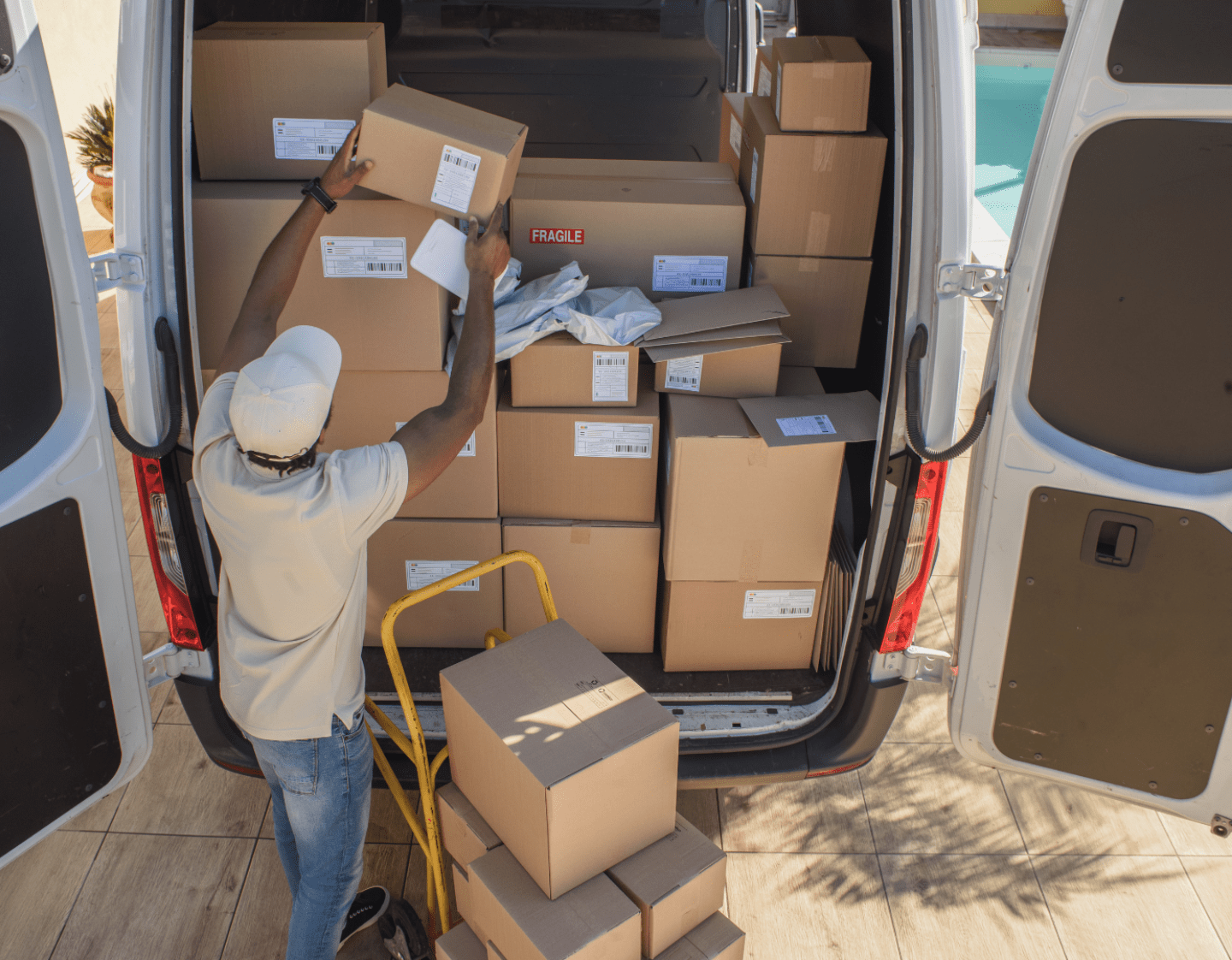
Your role as a delivery driver extends far beyond simply driving from point A to point B. You'll start your day at a warehouse or depot, where you'll collect parcels and items that need delivering[1]. Most drivers spend their morning loading their vehicle, checking items against delivery manifests, and planning the most efficient route for the day ahead.
Throughout your shift, you'll make anywhere from 50 to 150 drops, depending on your route type. Multi-drop drivers typically handle residential deliveries with frequent stops, whilst others specialise in fewer, larger commercial deliveries[1]. You'll maintain delivery records, obtain customer signatures, and handle any issues that arise. Customer service skills become just as important as your driving ability, as you're often the only face-to-face contact someone has with the company you represent.
Vehicle maintenance forms another key part of your responsibilities. You'll conduct daily checks on your van, monitoring fuel levels, tyre pressure, and reporting any mechanical issues[1]. Think of yourself as running a small mobile business - the better you maintain your vehicle and plan your routes, the more successful your day becomes.
Daily Life as a Delivery Driver
Most delivery drivers start early, with shifts typically beginning between 6am and 8am. The work requires physical fitness - you'll be lifting parcels repeatedly throughout the day, some weighing up to 25kg, and you'll cover considerable ground walking between your van and delivery addresses[2].
The job offers variety that many find appealing. One day you might be delivering to rural villages with winding country lanes, the next navigating busy city centres with tight parking restrictions. Technology plays a significant role too - you'll use handheld devices to scan parcels, update delivery statuses in real-time, and communicate with your depot[1]. GPS navigation helps you find addresses, though local area knowledge develops quickly and proves incredibly useful for finding shortcuts and avoiding congested routes.

Skills and Qualifications Required
Starting a career in delivery driving requires fewer formal qualifications than many trades, making it an accessible entry point for those looking to change careers. You'll need a full UK driving licence, and depending on the vehicle size, you might require a Category C1 licence for 7.5-tonne lorries[1]. Most employers look for a clean driving record with minimal penalty points.
Beyond the legal requirements, successful delivery drivers possess several key abilities. Time management skills help you complete your route efficiently without rushing unsafely. Good organisational skills mean you can load your vehicle strategically, placing items you'll deliver first in the most accessible positions. Physical stamina keeps you going through long days of lifting and carrying, whilst customer service skills help you handle the occasional complaint or difficult delivery situation with professionalism.
Types of Delivery Driving
The delivery sector offers several distinct career paths. Parcel delivery drivers work for courier companies and online retailers, handling high volumes of relatively small packages. Food and grocery delivery has expanded significantly, with drivers transporting everything from restaurant meals to weekly supermarket shops. These roles often offer more flexible hours, including evening and weekend work.
Business-to-business (B2B) delivery drivers transport goods between companies, often handling larger items like furniture, equipment, or supplies. These routes involve fewer stops but may require more physical work. Specialist delivery drivers handle high-value items, pharmaceuticals, or time-critical deliveries. These positions typically require more experience and offer higher pay, reflecting the additional responsibility and security clearance often needed[1].
Getting Started in Delivery Driving
Breaking into delivery driving typically happens through direct application to companies hiring drivers, although recruitment agencies can help speed up the process. Unlike some trades that require lengthy apprenticeships, many employers offer on-the-job training for new drivers[1]. Retail giants, courier firms, and logistics companies regularly recruit, particularly during busy periods like the run-up to Christmas.
Some new drivers start with smaller local courier companies to gain experience before moving to larger national organisations. This approach lets you learn the ropes on quieter routes before taking on the pressure of high-volume deliveries. The Driver Certificate of Professional Competence (CPC) becomes relevant if you're driving larger vehicles[1], involving periodic training to keep your skills current.
Career Development and Progression
Delivery driving offers several pathways for those wanting to advance their careers. Experienced delivery drivers often progress into supervisory roles, becoming team leaders or delivery coordinators[1]. These positions involve managing other drivers, planning routes, and handling customer service issues.
Some drivers move into transport management, overseeing entire depot operations. This path typically requires additional qualifications in logistics or supply chain management, which you can study part-time whilst working. Moving into HGV (heavy goods vehicle) driving represents another common progression[1]. Starting with Category C1 (7.5-tonne) vehicles, you can work up to Category C (rigid lorries) and Category C+E (articulated lorries). HGV drivers typically earn higher salaries and work on longer routes.
Self-employment attracts drivers who want more control over their work. Owner-drivers contract with multiple companies, managing their own schedules and potentially earning more by taking on additional work during busy periods[1].
What Type of Delivery Driver Makes the Most Money?
Earning potential varies significantly across different delivery driving roles. Specialist drivers commanding the highest pay typically handle valuable goods, pharmaceuticals, or require security clearance. These positions might pay £32,000 to £38,000 annually[3]. Cash-in-transit drivers, who transport money between banks and businesses, sit at the higher end of this range.
Salaried drivers working for major retailers or logistics companies typically earn between £28,000 and £31,000 per year[3]. These roles offer stability, with guaranteed hours and benefits like holiday pay and pension contributions. Starting salaries usually sit around £24,000 to £26,000, rising with experience and responsibility[3]. Given that minimum wage is now £12.21 per hour (approximately £23,800 annually for full-time work), most delivery driving positions offer wages comfortably above this threshold.
Self-employed delivery drivers working on contract rates face more variable income[1]. During peak periods like Christmas, some self-employed drivers earn significantly more than salaried employees by taking on extra work. However, you'll need to factor in vehicle costs, insurance, fuel, and maintenance when calculating actual take-home pay.
HGV drivers generally earn more than van drivers, with experienced Class 1 (articulated lorry) drivers earning £32,000 to £45,000, and specialist roles reaching £55,000 or more[4][5]. However, these roles require additional qualifications and often involve night driving or overnight stays away from home.
Which Driving Jobs Pay the Most in the UK?
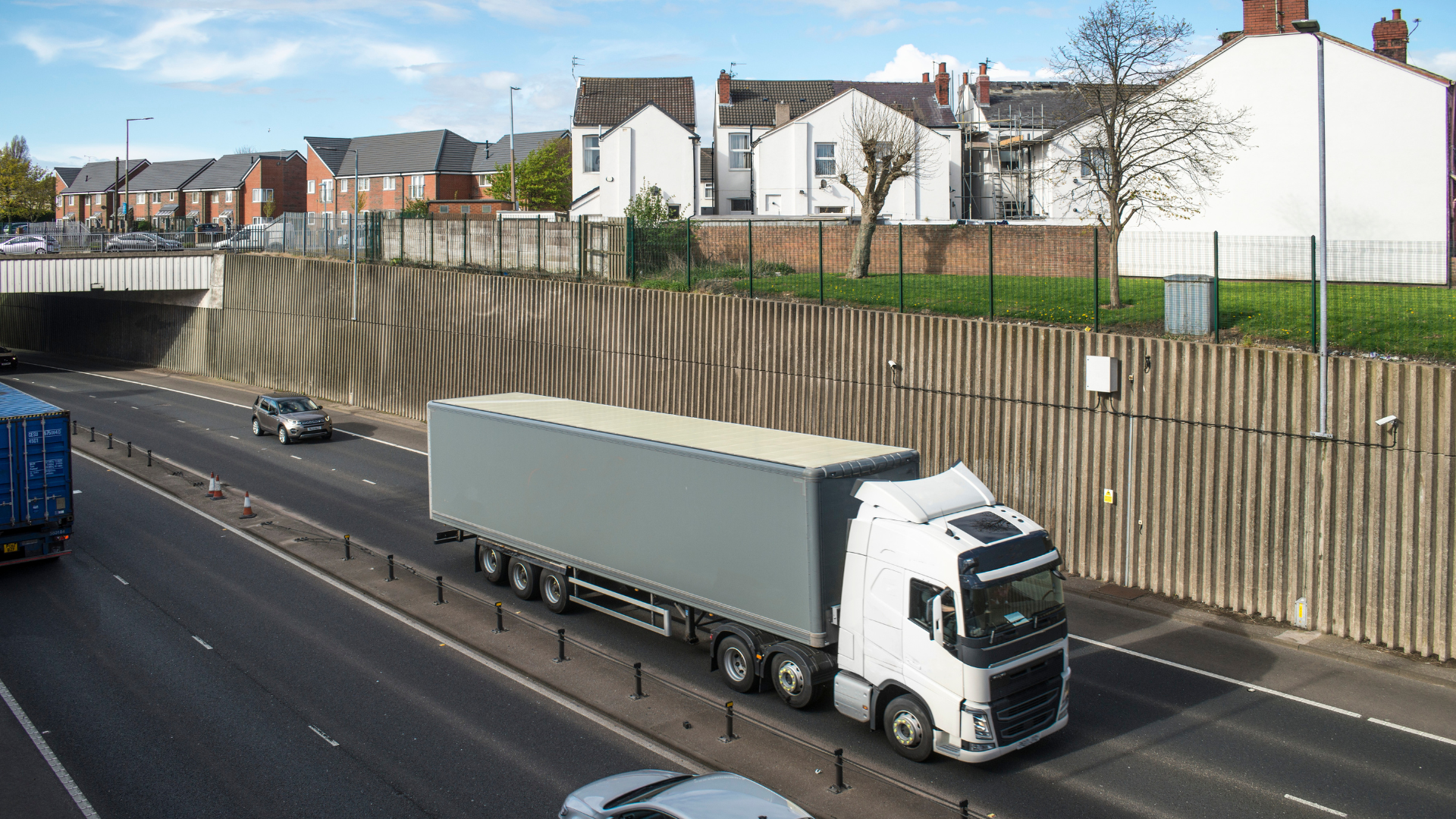
Expanding your view beyond delivery driving helps you understand your options within the broader transport sector. HGV drivers, particularly those with Class 1 licences driving articulated lorries, represent the highest-earning opportunity in standard commercial driving. Experienced Class 1 drivers typically earn £32,000 to £45,000 annually, with long-distance drivers working irregular hours or night shifts reaching £40,000 to £50,000[4][5]. Specialist HGV drivers transporting hazardous materials or abnormal loads earn even more, with some roles offering £55,000 to £65,000 with experience and ADR certification[5].
Bus and coach drivers earn competitive salaries, with the UK average sitting around £24,000 to £32,500 annually[6]. London bus drivers typically earn more, with salaries ranging from £31,000 to £34,000[6], reflecting the capital's higher cost of living and demand. Private chauffeurs serving corporate clients or high-net-worth individuals can earn £30,000 to £45,000 depending on their client base and services offered. Driving instructor roles offer earnings of £25,000 to £35,000 for those who build a good client base.
Is Delivery Driving a Stressful Job?
Stress levels in delivery driving depend significantly on how you approach the role and the specific company culture you work within. Time pressure creates the most commonly cited stress factor. When your performance metrics depend on completed deliveries per hour, every delay matters. Companies with realistic delivery targets and understanding management create less stressful environments than those with unachievable expectations.
The physical demands can be taxing. You'll spend hours sitting, which takes its toll on your back and posture, yet you'll also repeatedly lift and carry items throughout the day[2]. Customer interactions occasionally add stress too. Most customers are pleasant and understanding, but you'll inevitably encounter some who are frustrated about late deliveries or damaged parcels.
However, many drivers find effective ways to manage these stressors. The independence of working alone appeals to those who find office environments stressful. You'll develop your own systems for efficient working, find satisfaction in completing your rounds, and often build positive relationships with regular customers. For many, the physical nature of the work provides a welcome change from desk-based roles.
Is Delivery Driving Worth It?
The delivery sector has experienced significant growth over recent years, driven primarily by the expansion of online shopping. Online sales now account for over 30% of total retail sales in the UK, with e-commerce revenues projected to continue growing steadily[7][8]. This trend shows little sign of slowing, creating sustained demand for delivery drivers across the UK.
E-commerce continues expanding beyond traditional retail categories, with people now ordering everything from groceries to furniture online[7]. Same-day and next-day delivery services have become customer expectations rather than premium options[8], further increasing the need for drivers.
Driver shortages in certain segments, particularly HGV driving, have actually strengthened job security and increased wages across the transport sector[4]. This shortage means experienced, reliable drivers remain in high demand, giving you negotiating power when seeking new positions or pay rises. Concerns about automation replacing delivery drivers remain largely unfounded in the short to medium term.
Employee vs Self-Employed: Which is Right for You?
Understanding the difference between employed and self-employed delivery driving helps you choose the arrangement that suits your circumstances. Employed drivers work directly for a company, receiving a regular salary or hourly wage. You'll benefit from holiday pay, sick pay, and pension contributions[1]. The company provides your vehicle, fuel, and handles maintenance costs.
Self-employed drivers, often called owner-operators, contract their services to one or multiple companies[1]. You'll typically earn more per delivery than employed drivers, but you're responsible for all your own costs - vehicle purchase or lease, insurance, fuel, maintenance, and repairs. The self-employed route offers flexibility, but you lose the safety net of guaranteed income and benefits.
Many drivers start as employees to learn the trade and understand the industry before potentially moving to self-employment. This approach lets you build skills and local knowledge whilst receiving steady income, then transition to contracting when you're confident and ready to take on the additional responsibility.
Your Next Steps
If delivery driving sounds like the right career move for you, begin by checking your driving licence is current and reviewing your driving record. Research local companies actively hiring drivers - major logistics firms, parcel carriers, and retailers with their own delivery fleets all recruit regularly. Look beyond the household names, as smaller regional courier companies often offer excellent training and a more personal working environment for new drivers.
Prepare your CV to highlight relevant skills even if you haven't driven professionally before. Customer service experience, time management abilities, and physical fitness all matter to employers. Consider the type of driving that suits you best - if you prefer structure and stability, look for employed positions with major retailers. If independence and potentially higher earnings appeal more, research opportunities with courier companies that use self-employed contractors.
At Select Recruitment Specialists, our team works with leading transport and logistics companies across the UK. We can help you understand which companies provide the best training, where career progression opportunities exist, and which working arrangements might suit your lifestyle. Get in touch with our team to discuss the delivery driving opportunities available right now.
Sources:
[1] National Careers Service. (2025). Delivery van driver. Retrieved from https://nationalcareers.service.gov.uk/job-profiles/delivery-van-driver
[2] Health and Safety Executive. (2024). Delivering safely. Retrieved from https://www.hse.gov.uk/workplacetransport/information/cooperation.htm
[3] Glassdoor. (2025). Delivery Driver Salaries. Retrieved from https://www.glassdoor.co.uk/Salaries/delivery-driver-salary-SRCH_KO0,15.htm
[4] Glassdoor. (2026). HGV Driver Salaries. Retrieved from https://www.glassdoor.co.uk/Salaries/hgv-driver-salary-SRCH_KO0,10.htm
[5] Jobted UK. (2025). HGV Driver Salary (UK 2025). Retrieved from https://uk.jobted.com/salary/hgv-driver
[6] CV-Library. (2025). Bus Driver Average Salary 2025. Retrieved from https://www.cv-library.co.uk/career-advice/start/career-guides/bus-driver-average-salary-in-the-uk/
[7] Office for National Statistics. (2025). Retail Sales, Great Britain. Retrieved from https://www.ons.gov.uk/businessindustryandtrade/retailindustry/bulletins/retailsales/latest
[8] Mordor Intelligence. (2025). United Kingdom E-commerce Market. Retrieved from https://www.mordorintelligence.com/industry-reports/united-kingdom-ecommerce-ma