

What is it like to work as a cleaner?
Cleaning is one of those jobs everyone thinks they understand until they actually try it. It's often dismissed as "just cleaning", but speak to anyone who's been in the profession for more than a few months and they'll tell you there's far more to it than pushing a mop around. If you're considering working as a cleaner, you need to know the reality: the day-to-day tasks, the earning potential, and whether it's worth your time.
What does a cleaner actually do?
Day-to-day tasks and responsibilities
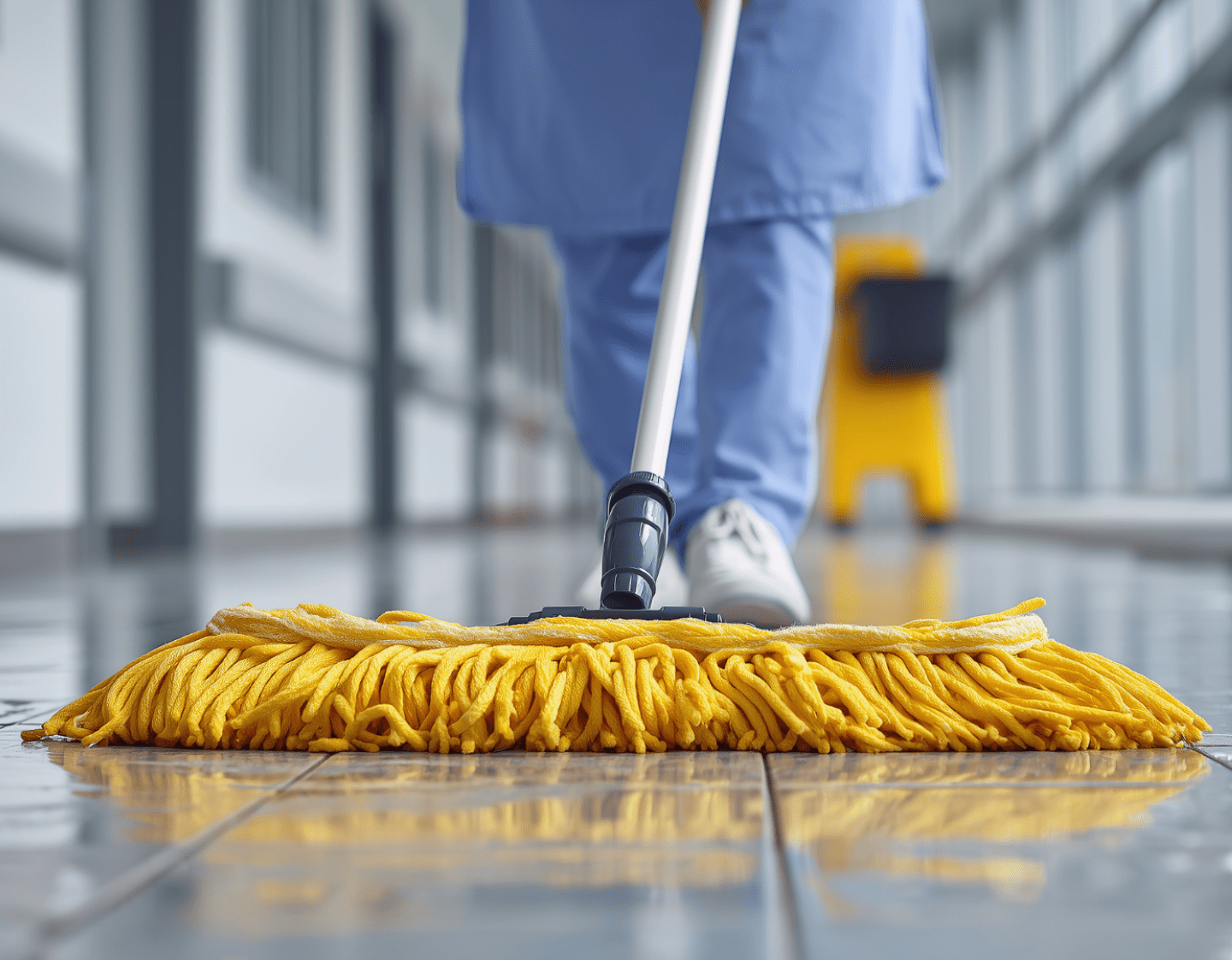
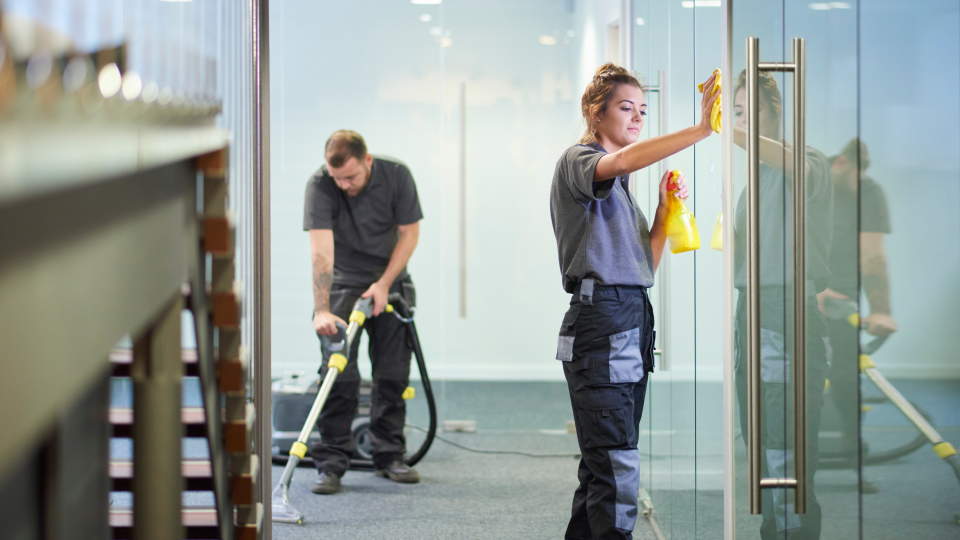
The core of any cleaning role involves the tasks you'd expect: vacuuming, mopping, dusting, and sanitising surfaces. The specifics vary dramatically depending on where you're working.
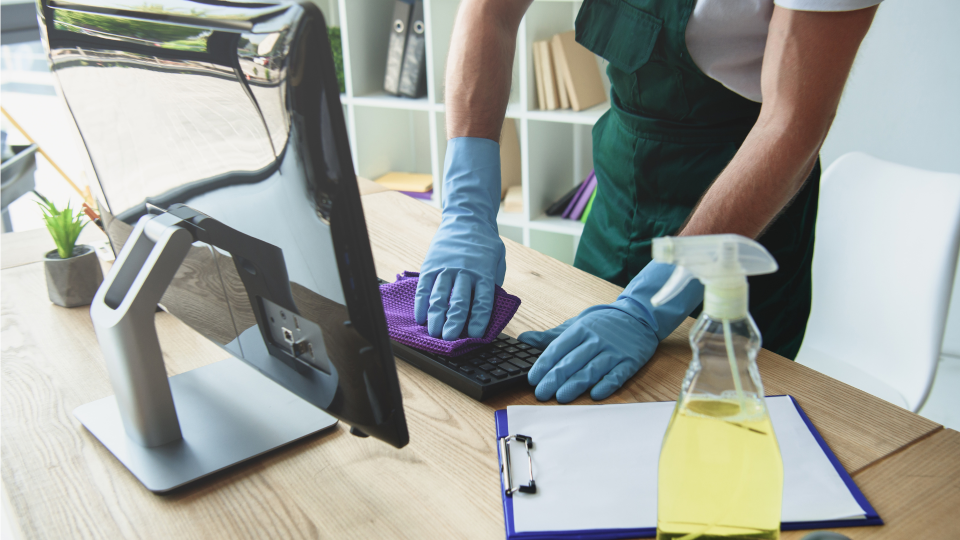
In commercial offices, you might clean desks, empty bins, and restock toilets during evening shifts when the building is quiet. In industrial settings, the work is heavier: factory floors, machinery cleaning, and potentially hazardous materials that require proper training. Residential cleaning involves working in people's homes, which brings its own expectations around trust and discretion.
Time management becomes crucial. Most cleaners work to tight schedules, especially when covering multiple sites in a day. You learn to prioritise tasks and work at pace without cutting corners.
Broader responsibilities beyond basic cleaning
Modern cleaning roles involve more than just physical work. You're often managing stock levels, ordering supplies, and keeping track of inventory. Health and safety compliance is non-negotiable. You need to understand COSHH regulations (Control of Substances Hazardous to Health), handle cleaning chemicals safely, and follow proper waste disposal procedures.
Client communication matters too. You might report maintenance issues, respond to specific requests, or adapt your routine based on feedback. Different sites have different requirements, so adaptability is essential.
How to become a cleaner in the UK
Entry requirements and barriers
One of the biggest advantages of cleaning work is accessibility. You don't need GCSEs, A-levels, or prior experience. Many people start cleaning as their first job or as a career change.
Most employers provide on-the-job training covering their specific processes, equipment, and standards. What they look for is reliability. Can you turn up on time, every time? Do you take pride in your work?
A basic DBS check (Disclosure and Barring Service) is sometimes required, particularly for roles in schools, healthcare settings, or private homes.
What skills do you need as a cleaner?
Physical stamina is essential. You're on your feet for most of your shift, bending, reaching, and lifting equipment.
Attention to detail separates adequate cleaners from good ones. Anyone can make a room look superficially clean. Proper cleaning means noticing the dust on skirting boards and grime in corners.
Time management keeps you employed. Customer service skills matter more than you'd expect, particularly when working around people or dealing with requests. Health and safety awareness protects you and others.
Working as a cleaner salary: What can you earn?
Cleaner salary UK: The realistic figures
Entry-level cleaning positions typically pay between £12.21 and £13.50 per hour. The National Living Wage (for those aged 21 and over) is £12.21 as of April 2025, so you should expect at least this as a baseline. Many employers pay slightly more to attract reliable staff, particularly in areas where recruitment is competitive.
Regional variations are significant. London and the South East generally offer £13-£14 per hour, reflecting higher living costs. Full-time cleaning work (35-40 hours per week) at £12.21 per hour gives you roughly £22,200-£25,400 annually before tax.
What type of cleaner makes the most money?
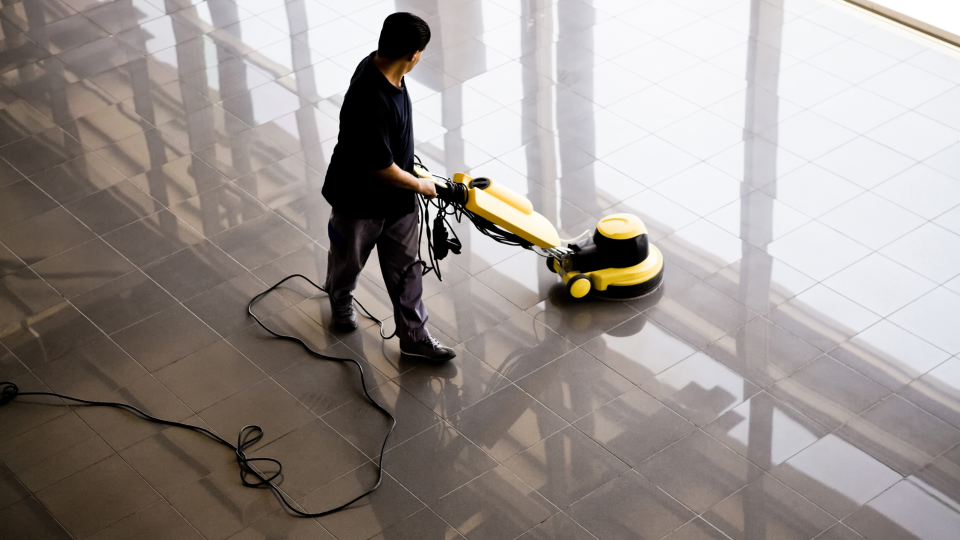
Industrial cleaners working in factories, warehouses, or construction sites often earn more than domestic or office cleaners. The work is more physically demanding and sometimes involves specialist equipment. Expect £13-£15 per hour for industrial roles.
Night shift work commands a premium, often an extra £1-£2 per hour. Supervisory positions and team leader roles pay significantly more: £14-£17 per hour, or £26,000-£35,000 annually.
Self-employed contract cleaning can be more lucrative if you build a solid client base. Successful contract cleaners earn £15-£25 per hour, but income fluctuates and you handle all the admin and equipment costs.
Can you earn good money as a cleaner?
Cleaning won't make you wealthy, but it can provide a decent, stable income. Overtime opportunities exist, particularly when sites need emergency cleans or extra coverage. Self-employed cleaners running multiple contracts might earn £600-£900 per week.
Long-term earning potential improves with progression. Start as a cleaner, become a supervisor within a few years, and you've increased your earning potential by 30-40%.
Is it hard to work as a cleaner?
The physical demands
Cleaning is physically active work, which many people prefer to desk jobs. You're moving for 6-8 hours per shift rather than sitting still, which keeps you fit without needing a gym membership. There's bending, reaching, and lifting equipment, but once you learn proper techniques, it becomes second nature.
The repetitive movements can cause strain if you're not careful, but most cleaners adapt within the first few weeks. Your body adjusts, and you develop the muscle memory that makes the work feel easier over time.
Shift patterns vary widely, which offers flexibility. Office cleaning typically happens early morning (5am-8am) or evening (6pm-10pm), leaving your days free. Industrial sites might need night shifts, which suit night owls and often pay a premium. Residential cleaning is usually daytime hours. Working alone is typical in many roles. If you enjoy independence and prefer not to deal with office politics, this is a benefit.
Job satisfaction and work environment
There's genuine job satisfaction in cleaning work. You see immediate, tangible results from your effort. A dirty office becomes spotless. That sense of accomplishment matters.
The work itself is straightforward, which means you can finish your shift and leave it behind. No emails to check at home, no projects keeping you awake at night. For people who value work-life separation, cleaning delivers completely.
Building relationships with regular clients is genuinely rewarding. In residential cleaning particularly, you become trusted and valued. Commercial clients who appreciate good work will request you specifically and treat you with respect. You'll occasionally encounter people who don't show proper respect, but that's true in any customer-facing role. The difference is that in cleaning, you're often judged on results rather than personality, which many people find refreshing.
Career progression: Where can cleaning work take you?
Opportunities for advancement
Cleaning doesn't have to be a dead-end job. Supervisory roles open up once you've proven yourself reliable. As a cleaning supervisor, you coordinate teams, manage schedules, conduct quality checks, and handle client relationships.
Facilities management is where many experienced cleaners eventually land. Facilities managers (and sometimes Office Managers) oversee all building services and earn considerably more. Specialist cleaning positions also pay premium rates: deep cleaning, hazardous materials cleaning, or healthcare cleaning all require additional training but offer higher wages.
Certifications and qualifications that improve your prospects
BICSc (British Institute of Cleaning Science) offers certification levels from foundation through to advanced management. These aren't legally required, but they demonstrate professionalism and commitment.
Health and safety certificates are valuable. COSHH training, manual handling certification, and industry-specific qualifications like food safety or infection control all make you more employable. These courses typically cost £50-£150 and take a day or two.
First aid certification and specialist equipment training (floor scrubbers, pressure washers) add further value. These qualifications can boost earning potential by £0.50-£2.00 per hour and open doors to higher-paid positions.
The outlook for cleaning roles in the UK
The cleaning sector remains robust. The pandemic heightened awareness of hygiene standards, and that hasn't disappeared. Industrial cleaning particularly shows strong growth as warehouses, distribution centres, and manufacturing facilities expand.
Job security in cleaning is generally strong. Buildings don't clean themselves, and essential cleaning continues regardless of economic conditions. Seasonal fluctuations exist (schools need deep cleans during holidays, retail spaces need extra cleaning around Christmas), but experienced cleaners anticipate these patterns.
Is it worth becoming a cleaner?
This depends on what you value and what alternatives you have. Job stability is genuine. Work-life balance potential exists if you choose your contracts carefully. As an entry point to facilities management, cleaning offers practical experience and progression opportunities.
The honest assessment: cleaning isn't glamorous, and it's not highly paid at entry level. But it's accessible, relatively secure, and offers genuine progression if you're professional and committed. If you need work immediately, want flexibility, or you're looking to get back into employment, cleaning is absolutely worth considering.
Finding cleaning work with Select Recruitment
If you're ready to explore cleaning opportunities, working with a specialist recruitment agency makes the process significantly easier.
Select Recruitment handles the entire placement process, from initial screening through to ongoing support. We work with businesses across industrial, commercial, and specialist sectors, giving you access to a wide range of cleaning positions at different skill and pay levels.
Our dedicated account managers take time to understand your experience, availability, and career goals. We conduct proper interviews, verify your qualifications and right to work, and provide health and safety guidance before placement. For temporary roles, we handle all the paperwork for you: processing your weekly timesheets and making sure you get paid on time.
You'll also have direct support when you need it. Questions about protocols, equipment issues, or schedule changes get resolved quickly.
Whether you're new to cleaning or an experienced professional looking for better opportunities, Select provides the support and connections that make finding the right role straightforward.
Final thoughts
Working as a cleaner offers more than most people expect. It's physically demanding and the pay at entry level is modest. But it's also accessible, stable, and comes with genuine progression opportunities if you're willing to develop your skills.
The role suits people who take pride in tangible results, value flexibility, and want work that doesn't follow them home. If you're considering it, the best advice is simple: try it. The barriers to entry are low, and you'll know within a few weeks whether it's right for you.
Got questions? Get in touch with our team today.